Home Office Feng Shui
Feng Shui Office Plants That Actually Support Focus
Feng shui office plants explained through biophilic design and visual attention, plus renter-friendly fixes for small home offices and shared desks.
The ModernQiHome Editorial Team researches and writes home wellness and modern Feng Shui guidance for Western homes, grounded in Eight Mansions (Ba Zhai) space theory and interior design fundamentals — every guide is written and fact-checked as a team process, not a single freelance byline.
Why plants change how a home office feels
A cluttered or lifeless desk can quietly pull at your attention, even when you cannot name why. Environmental psychology calls this effect visual fatigue: the brain keeps scanning a space for information, and a stale or empty corner gives it nothing to settle on. Feng Shui has long used plants in workspaces for a similar reason, framing them as living, moving energy that keeps a room feeling alert rather than stagnant.
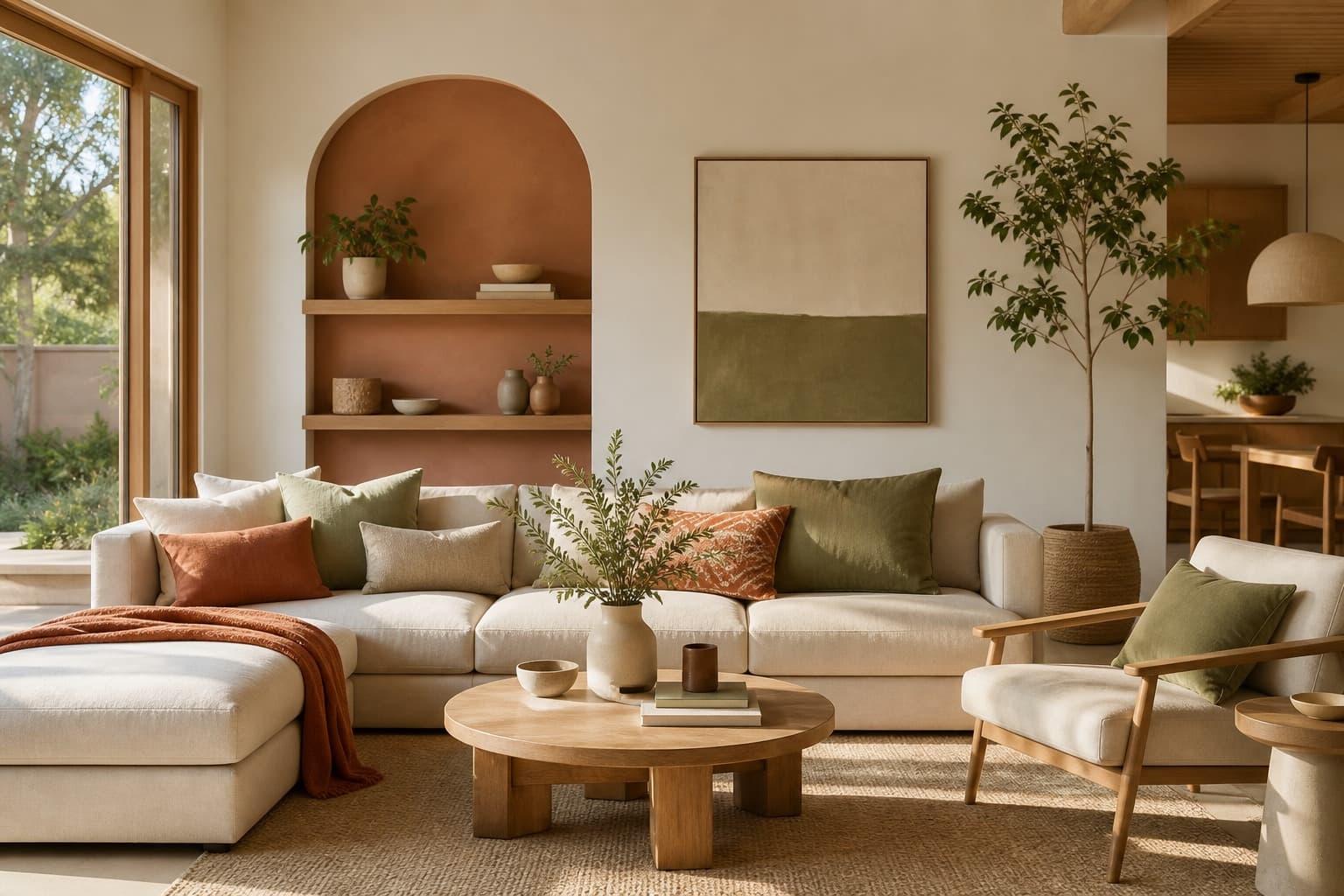
Biophilic design research backs this up in modern terms. Simply having greenery in view has been linked to lower reported stress and better sustained attention during focused work. For anyone working from a bedroom corner, a shared apartment, or a tiny home office nook, a well-placed plant is one of the few upgrades that requires no renovation, no landlord approval, and almost no budget.
The goal is not to fill every surface with foliage. It is to place a small number of healthy, well-chosen plants where they support your eyeline, your airflow, and your sense of the room as alive rather than static.
Home Office Plant Mistakes and Fixes
Too many plants crowding a small desk
When every surface holds a pot, the eye has nowhere to rest, and that visual noise can undercut the effect you were hoping the greenery would have. This is especially common in small apartments where the desk doubles as a dining table or vanity.
Fix: Choose one or two plants of a slightly larger size rather than five small ones. A single well-placed plant reads as a chosen accent rather than clutter, and open desk space actually reinforces the sense of clear thinking that Feng Shui associates with the work area. If your setup is part of a multi-use room, see this guide on feng shui for small work-from-home apartments for layout ideas that keep zones distinct.
Choosing plants that cannot survive the actual light
Many rental offices sit in interior rooms, near north-facing windows, or under fluorescent lighting, none of which suit high-light plants like succulents. A dying plant on a desk works against the effect you're going for, since a wilting leaf is its own kind of visual clutter.
Fix: Match the plant to the room's real light, not the light you wish you had. Pothos, ZZ plants, and snake plants tolerate low or indirect light and low-effort care, which matters if your desk moves with you between apartments. For more resilient options across rooms, this roundup of feng shui plants for the living room includes several species that also thrive in office corners.
Placing the plant where it blocks your view of the door
Feng Shui's command position principle suggests that seeing the entry to a room while you work supports a feeling of alertness and control, rather than being startled by movement behind you. A tall plant placed directly in that sightline can undo the benefit, even if the plant itself is a good one.
Fix: Position taller plants to the side of your desk or slightly behind you, never directly between your chair and the door. If you're unsure whether your desk is even in a supportive spot to begin with, this breakdown of command position desk placement walks through it step by step.
Leaving faded, dusty, or root-bound plants in view
A plant that is technically alive but visibly struggling, yellowing leaves, dusty foliage, a pot it has outgrown, can have the opposite effect of a healthy one. Visually, a wilting plant signals neglect, and that subtle cue can work against the sense of order you're trying to build at your desk.
Fix: Do a five-minute plant check once a week: wipe leaves, rotate the pot toward light, and remove anything beyond reviving. A silk or high-quality artificial plant is a completely reasonable substitute if your space or schedule can't support live care right now; the visual effect of greenery matters more than botanical authenticity here.
If you don't have your own dedicated desk
Shared desks, hot-desking setups, or a work corner that doubles as a dining table make a permanent plant harder to justify. In these cases, a small potted plant that lives on a shelf near (not on) the work surface still delivers most of the visual benefit, and it doesn't get knocked over or moved every time the desk switches function. A single trailing pothos on a nearby shelf does more for the space than nothing at all, without needing its own square footage on the desk itself.
Plants worth trying in a low-maintenance home office
For renters and shared spaces, the easiest wins tend to be plants that ask very little in return. Pothos trails nicely off a shelf without needing a big footprint. Snake plants stand upright in a narrow corner and tolerate irregular watering. ZZ plants handle dim rooms and long stretches of being ignored. A small potted bamboo or peace lily can add a softer, rounded shape if your desk feels visually sharp and angular. None of these require a green thumb, which matters most on the weeks when focus, not gardening, is the actual priority.
FAQ
Do office plants really need to face a specific direction?
Not strictly. Direction matters less than light availability and keeping the plant out of your direct sightline to the door. If you want to go further, checking your Kua number can help you think about which general area of the room feels most supportive for your desk and its greenery.
Can artificial plants work for feng shui office setups?
Yes, especially in low-light rentals where live plants struggle. The visual benefit, a sense of softness, color, and life in the room, comes largely from what the eye sees, so a realistic artificial plant can serve a similar role while requiring no upkeep.
How many plants should a small home office desk have?
One or two well-placed, healthy plants is usually enough. More than that on a small desk can create visual clutter, which works against the clarity you're aiming for.
What if my desk is in a bedroom or shared living space?
Keep the plant modest in size and place it so it doesn't compete visually with the bed or seating area. For more on balancing a multi-purpose room, this guide on small apartment work-from-home layouts covers zoning tricks that keep work and rest areas feeling separate even in one room.
I don't have a permanent desk. Is a plant still worth it?
Yes. A plant on a nearby shelf, rather than the work surface itself, still adds the same visual softness without needing dedicated desk space, which matters if your "desk" changes function throughout the day.
Do office plants need more light than bedroom plants?
Not necessarily more, but often different: a home office you use during the day benefits from a spot that gets consistent daytime light, while low-light-tolerant species like pothos or ZZ plants work in either room regardless of exposure.
This article is offered as cultural appreciation and interior design inspiration for your home office, not as a guarantee of career, financial, or health outcomes.
If you want to take your workspace a step further, try the free Kua Number Calculator at /kua-calculator/ to explore which desk orientation and plant placement might feel most supportive for you.
You might also like
Feng Shui Desk Position: The Command Position Explained
Learn the feng shui desk position known as the command position, explained through environmental psychology, and easy renter-friendly ways to set it up.
Feng Shui Home Office: A Small-Apartment WFH Guide
Struggling with a cramped WFH setup? This feng shui home office guide offers renter-friendly, science-backed fixes for studios and small apartments.
Feng Shui Crystals for the Office Desk: A Renter's Guide
Discover feng shui crystals for office desks that work in cubicles, shared spaces, and rentals, explained through focus and color psychology.
Next step
Curious which desk direction pairs best with your plant setup? Try the free Kua Number Calculator to map your most supportive work orientation.
Try the free calculator