Feng Shui Plants
Money Tree Feng Shui: Placement, Care & Meaning
Discover money tree Feng Shui placement and care tips explained through plant science and space psychology.
The ModernQiHome Editorial Team researches and writes home wellness and modern Feng Shui guidance for Western homes, grounded in Eight Mansions (Ba Zhai) space theory and interior design fundamentals — every guide is written and fact-checked as a team process, not a single freelance byline.
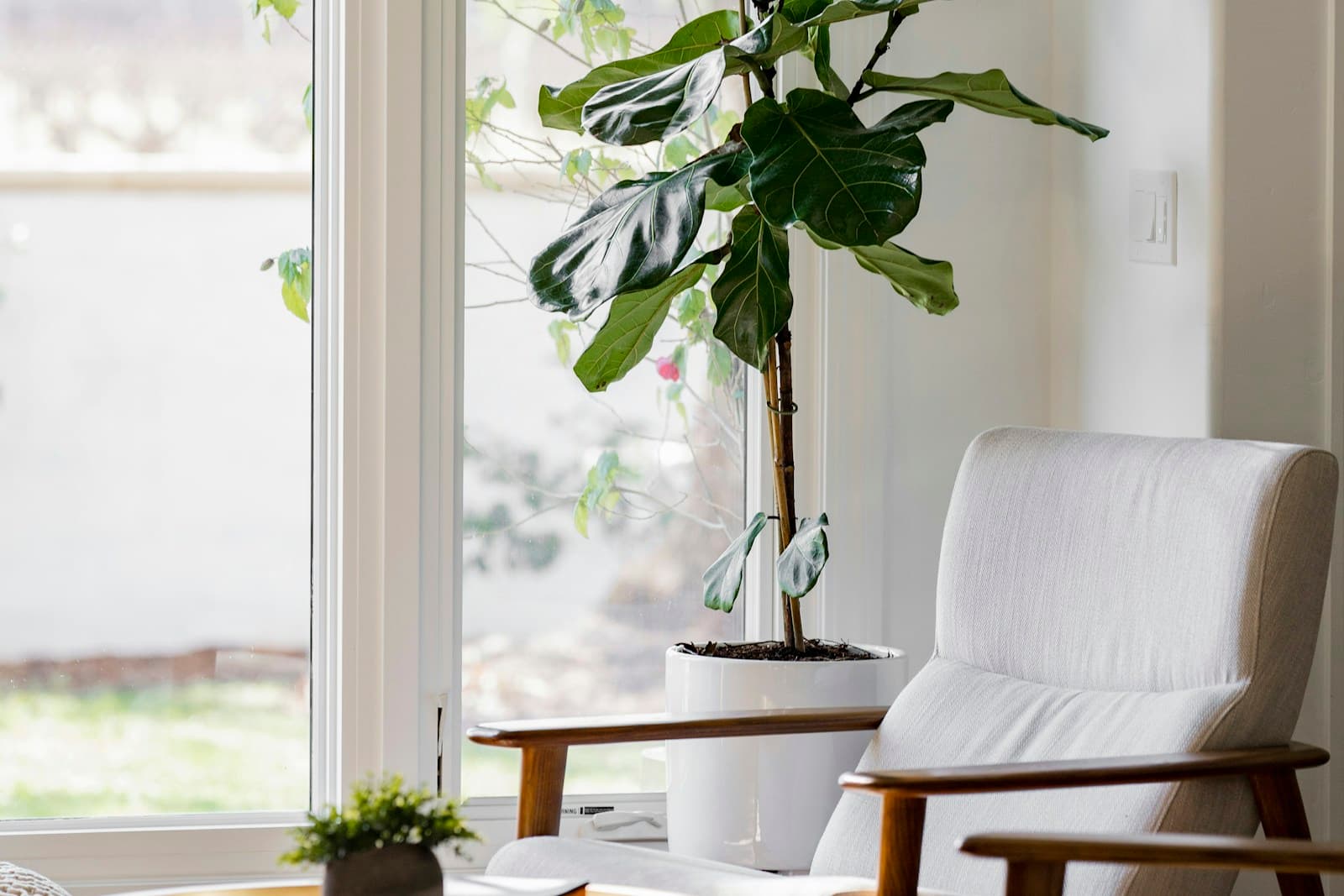
Why the money tree became a Feng Shui favorite
The money tree (Pachira aquatica) is one of the most recognized plants in modern Feng Shui practice, often linked to the wealth corner of a home. Its braided trunk and five-leaflet clusters are traditionally read as symbols of balance and the five elements working together.
From a design psychology angle, the appeal makes sense even without the symbolism. Lush, upright greenery signals vitality to the brain almost instantly. Studies on biophilic design consistently show that visible healthy plants can lower perceived stress and make a room feel more cared for. A thriving money tree does double duty: it is a cultural touchpoint and a low-effort mood cue.
None of this means a plant changes your finances. It means a well-placed, well-tended plant can shift how a room feels to live in, which is a meaningful outcome on its own.
Where to place a money tree
In classical Feng Shui, the money tree is often placed in the wealth corner, which is typically the far left area of a room as you stand at the main entrance. If you want a simple way to locate this, our guide on how to find your wealth corner walks through it room by room.
Beyond symbolism, placement matters for a more practical reason: light. Money trees need bright, indirect sunlight to stay full and glossy. A dim corner may align with tradition but starve the plant, leading to yellowing leaves and leggy growth, an effect that reads as neglect rather than abundance. The visual psychology here is straightforward: a struggling plant draws the eye toward stress, not abundance.
The renter-friendly fix is to prioritize a bright spot within the general wealth area, even if it is a few feet off from the exact corner. A plant stand near a window still supports the same intention while giving the tree what it actually needs to thrive.
If you are curious how your personal directions interact with room layout, our piece on what a Kua number is offers useful background before you commit to a permanent arrangement.
Simple care that supports the symbolism
A money tree that looks vibrant will always do more visual work than one that looks tired, regardless of where it sits. Here is what keeps it healthy:
- Water only when the top two inches of soil feel dry, usually every one to two weeks
- Use a pot with drainage holes to prevent root rot, a common cause of decline
- Wipe leaves occasionally so they can absorb light efficiently
- Rotate the pot every few weeks for even, symmetrical growth
- Avoid cold drafts near windows or air vents, which can shock tropical plants
Each of these habits supports the same underlying goal as the Feng Shui placement advice: a plant that looks alive and balanced will always contribute more to a room's atmosphere than one that is simply positioned correctly but wilting.
Troubleshooting common problems
- Yellowing leaves: Usually overwatering. Let the top two inches of soil dry out fully between waterings, and check the pot has drainage holes.
- Leaves dropping suddenly: Often a response to cold drafts or a sudden move to lower light. Keep the tree away from air vents and windows in winter, and give it a few weeks to adjust after relocating it.
- Leggy, sparse growth: A sign of insufficient light. Move the pot closer to a bright window, even if that means adjusting a few feet from the "ideal" wealth-corner spot.
- Brown, crispy leaf tips: Usually low humidity or a buildup of tap-water minerals. Wiping leaves with filtered water occasionally helps, especially in dry apartments with central heating.
- Small webs or tiny bugs near the leaves: Likely spider mites, common in dry indoor air. A light wipe-down with a damp cloth and increased humidity usually resolves it without needing pesticide.
None of these issues mean you're doing Feng Shui "wrong." They're ordinary plant-care signals, and addressing them keeps the tree looking vibrant, which matters more for the visual effect than exact placement does.
Pairing your money tree with other elements
Many modern Feng Shui approaches treat plants as one part of a small wealth-corner grouping rather than a standalone fix. A money tree paired with a warm-toned lamp, a small dish, or a crystal can create a visually anchored cluster instead of one isolated object floating in a corner. If you want ideas for this kind of pairing, our article on modern Feng Shui crystals for wealth corners covers reversible, renter-friendly combinations.
The design principle at work is grouping theory from environmental psychology: the human eye tends to read clustered objects of varying height and texture as a complete arrangement rather than as single items placed alone. This is likely part of why traditional wealth-corner arrangements often include more than one element.
What to do if your space does not have an obvious wealth corner
Apartments with open layouts, awkward angles, or shared walls do not always offer a clean corner to work with. In these cases, many modern practitioners suggest choosing the brightest, most frequently used corner of the main living space instead of forcing the plant into a technically correct but poorly lit spot.
This is also where a broader plant strategy helps. If you are building out a fuller green setup, our guide to Feng Shui plants for the living room offers additional low-maintenance options to layer in around your money tree, so the space feels considered rather than sparse.
A grounded way to think about it
A money tree is a genuinely easy-care plant that happens to carry centuries of symbolic meaning, and that combination is part of why it has stayed popular in modern homes. Placing it thoughtfully, keeping it healthy, and pairing it with a few complementary objects is a small, reversible way to make a corner of your home feel more finished.
Think of it less as a guarantee and more as a design ritual: a weekly moment of noticing your plant, adjusting its light, and tending to a small living thing in your space.
FAQ
What if my wealth corner doesn't get enough light for a money tree?
Prioritize a bright spot within the general wealth area, even if it's slightly off from the exact corner. A struggling, poorly lit plant undercuts the intention more than a few feet of placement flexibility.
How often should I water a money tree?
Water only when the top two inches of soil feel dry, typically every one to two weeks, and always use a pot with drainage holes to prevent root rot.
Is it bad if my money tree's braided trunk unbraids over time?
This is a natural part of the plant's growth and not a sign you're doing something wrong. It doesn't affect the plant's health or its role as a wealth-corner visual anchor.
Why are my money tree's leaves turning yellow?
This is almost always overwatering. Let the top two inches of soil dry out completely between waterings and confirm the pot has drainage holes before adjusting anything else.
Is it normal for a money tree to drop leaves after I move it?
Yes, especially after a change in light, temperature, or location. Give the plant a few weeks to adjust before assuming something is wrong; sudden leaf drop after a move is a common, usually temporary stress response.
This article is intended as cultural appreciation and interior design inspiration, not a guarantee of financial, health, relationship, or professional outcomes.
If you would like to explore how your personal directions might inform where you place plants, furniture, or other Feng Shui elements, try the free Kua Number Calculator to get started.
You might also like
9 Best Feng Shui Plants for Your Living Room (2026)
Discover the best feng shui plants for living room spaces, chosen for biophilic design, air quality, and visual balance.
7 Modern Feng Shui Crystals to Activate Your Wealth Corner
A modern guide to Feng Shui crystals for the wealth corner, with simple styling ideas for Western homes.
What Is a Kua Number? A Modern Feng Shui Explainer
What is a Kua Number, how it's calculated from birth year and gender, and how to use it as modern Feng Shui guidance at home.
Next step
Curious which corner of your home might suit your money tree best? Try the free Kua Number Calculator to find your supportive directions.
Try the free calculator