Feng Shui Crystals
Citrine Crystal Cluster Buying Guide: Rockcloud vs. SUNYIK vs. mookaitedecor
What three popular Amazon citrine cluster listings (Rockcloud, SUNYIK, mookaitedecor) actually disclose about treatment, size, and seller, and how to judge any citrine geode before you buy.
The ModernQiHome Editorial Team researches and writes home wellness and modern Feng Shui guidance for Western homes, grounded in Eight Mansions (Ba Zhai) space theory and interior design fundamentals — every guide is written and fact-checked as a team process, not a single freelance byline.
Why clusters need their own buying guide
Our earlier guides covered citrine bracelets and tumbled stones. Clusters and geodes are a different purchase. You're buying one irregular object by weight rather than a standardized strand of beads, the photo almost never shows the exact piece you'll receive, and the treatment question is even more pointed, because the classic "citrine geode" look is closely associated with heat-treated amethyst.
In Feng Shui, citrine is traditionally linked with the wealth area of the bagua map and with warmth and optimism. A cluster is the usual choice for a shelf or desk because it stands on its own and reads as a real object, not a trinket. That makes it worth buying carefully.
The white-base, orange-tip look, and what it usually means
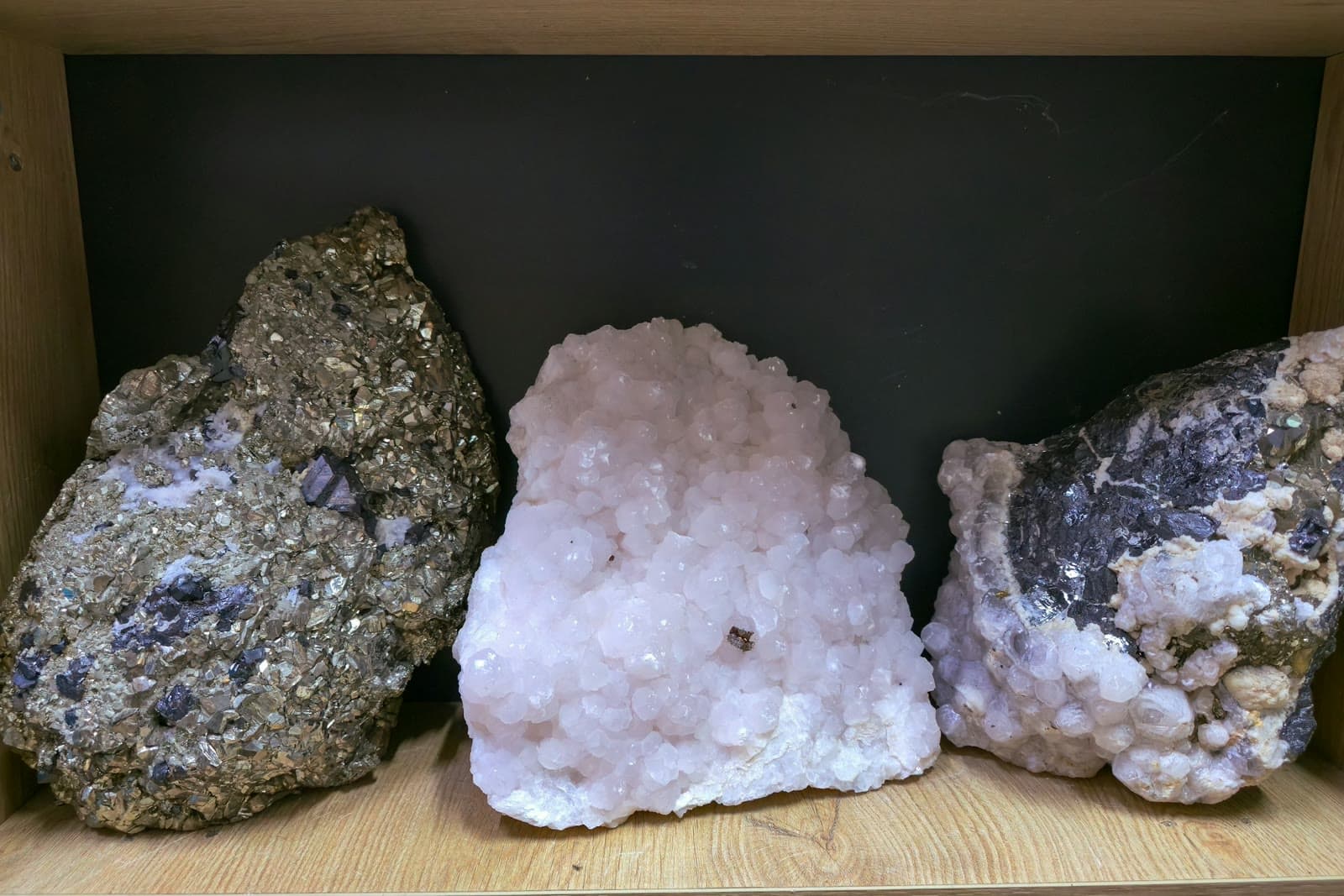
Most citrine sold today is heat-treated amethyst, a standard gem-trade practice that GIA's citrine reference describes. With clusters, there's a visual pattern many mineral sellers point out: a cluster with a white or colorless base that shades into deep orange or reddish-brown tips often started out as amethyst. When amethyst is heated, the color change tends to be strongest at the crystal tips, where the purple was most concentrated.
Natural, untreated citrine clusters exist, but they're uncommon and usually look different: a more even pale-yellow, honey, or smoky-yellow color throughout, rather than a white-to-orange gradient.
None of that makes a heat-treated cluster "fake." It's still quartz, and the color is stable. The problem is only when a listing uses "natural" in a way that suggests untreated stone, and prices it that way.
Also worth knowing: dyed quartz geodes are sold in bright yellow too. In those, color often collects in cracks and along the base. If a listing says "dyed," that's an honest disclosure of a different, cheaper product, not citrine.
Three listings compared
We checked the three brands named most often in citrine cluster searches on the US Amazon storefront on September 23, 2026, with the delivery address set to New York (10001) so prices and ratings match what a US shopper sees. Prices and ratings change often; treat these as a snapshot, not a current quote.
| Rockcloud | SUNYIK | mookaitedecor | |
|---|---|---|---|
| Listing checked | Natural Citrine Crystal Geode Cluster, 51-100g | Natural Raw Citrine Cluster, 101-200g | Citrine Crystal Cluster Geode, 201-300g |
| Price seen | $16.99 | $24.99 (201-300g option: $38.99) | $35.99 |
| Rating seen | 5.0 out of 5 (4 ratings) | 3.8 out of 5 (4 ratings) | 3.3 out of 5 (9 ratings) |
| Sold by | rockcloud | aoneitem | 9story |
| Treatment statement | None | None | None |
| Size given | Height, width, thickness range and weight | Height, width, thickness range and weight | Height, width, thickness range and weight |
| Base | Cut, polished flat side to stand | Cut cross-section base to stand | Flat base to stand |
A few things stand out once they're side by side.
None of the three say whether the stone is heat-treated
All three titles use the word "natural," and none of them mention heat treatment either way. By the standard in our natural vs. heat-treated guide, that's the main gap. Given how the citrine market works, the reasonable assumption is that these are heat-treated unless a seller confirms otherwise. If untreated stone matters to you, message the seller before buying and ask directly.
The ratings are too thin to rank them
Four, four, and nine ratings aren't enough to separate these listings on quality. A 5.0 from four people and a 3.3 from nine people could both change a lot with a few more reviews. Rockcloud's broader store has other items with far more ratings, which says something about the seller's track record, but not about this particular cluster.
"Brand" and "seller" aren't always the same
Only Rockcloud's listing was sold by the brand's own storefront when we checked. The SUNYIK listing was sold by a seller called aoneitem, and the mookaitedecor listing by one called 9story. That's common on Amazon and not a red flag by itself. It does mean returns and questions go to that seller, so check their return terms, not only the brand's.
Compare by weight, not by price
These three listings sit in different weight classes, so their prices aren't directly comparable. The closest match we found was SUNYIK's 201-300g option at $38.99 against mookaitedecor's 201-300g listing at $35.99. When comparing any cluster listings, line up the weight range first, then the price.
A checklist for any citrine cluster listing
These apply beyond the three brands above:
- A weight range in grams. Every good listing gives one. "Large" without a number tells you nothing.
- All three dimensions. Height alone is misleading for clusters. A tall, thin slice and a squat, wide chunk can weigh the same and look nothing alike on a shelf.
- Honest wording about the piece you'll receive. "You will receive one similar to the picture" is normal and honest for natural material. Be cautious if the photos look identical across every size option.
- How it stands. A cut, flat base is standard for self-standing clusters. If you want an uncut, fully raw specimen, look for listings that say so.
- Damage disclosure. Rockcloud's listing, for example, says some crystal tips may have small chips or darker grey inclusions. That's realistic, and a better sign than a listing that implies every piece is flawless.
- Treatment, stated either way. "Heat-treated" and "natural, untreated" are both acceptable answers. Silence is what you should ask about.
Where to put it once it arrives
Traditionally, citrine goes in the wealth area of the bagua, which in the Western door-based version is the far-left corner as you enter a room or home. On a desk, many people put it at the back-left corner. For more on placement and what to pair it with, see our wealth corner crystals guide.
Practically, keep clusters out of long direct sun on a windowsill. Some sources report that intense, prolonged sunlight can fade citrine and amethyst over time, and a sunny sill also collects dust in the crystal points. A soft dry brush is the easiest way to clean a cluster. Avoid soaking pieces that have visible cracks or a rough host rock.
FAQ
I'm buying this as a gift and the recipient cares about "natural" stones. What should I do?
Message the seller before buying and ask whether the stone is heat-treated. If they won't confirm, or you'd rather not risk it, choose a listing that clearly says "untreated," or pick a pale, evenly colored piece rather than the white-to-orange look. Either way, avoid calling it "natural citrine" on the gift card unless the seller has confirmed it.
The cluster I received has a white base and dark orange tips. Did I get scammed?
Probably not. That color pattern is typical of heat-treated amethyst sold as citrine, which is the most common kind on the market. If you paid a normal price for a decorative cluster, you most likely got what the market usually sells. If the listing clearly said "untreated," you have a reasonable case for a return.
Is a bigger cluster better for Feng Shui?
Traditional practice doesn't set a minimum size. What matters more is scale relative to the space: a 50-100g piece suits a desk, while a 300g+ piece suits a shelf or console. An oversized cluster crowding a small desk undercuts the point of placing it there.
Can I put a citrine cluster in a bedroom?
You can. Some traditional guidance treats citrine as an energizing "yang" stone and suggests keeping it out of the direct sightline from the bed. If you want it in the bedroom, a dresser or bookshelf across the room is a common compromise.
One listing has a 5-star rating from four people and another has 3.3 stars from nine. Which should I trust more?
Neither rating tells you much with that few reviews. Read the individual reviews for specific details, like whether the piece matched the stated weight or arrived chipped. That's more useful than the average. Then compare the listing details using the checklist above.
This article is offered as cultural context and buying research, not a guarantee of financial, health, relationship, or professional outcomes. We compared public listing information only and did not purchase or test these products.
You might also like
Natural vs. Heat-Treated Citrine: What Buyers Should Know
Most citrine jewelry sold today is heat-treated amethyst, not natural citrine. Here's how the two differ, why it matters, and what a listing should actually disclose.
7 Questions to Ask Before Buying a Citrine Bracelet
A practical checklist for citrine bracelet shopping — the exact questions to ask a seller about material, treatment, sizing, and returns before you buy.
7 Modern Feng Shui Crystals to Activate Your Wealth Corner
A modern guide to Feng Shui crystals for the wealth corner, with simple styling ideas for Western homes.
Next step
Planning where a citrine piece should go? Read our wealth corner guide, then try the free Kua Number Calculator to see which directions tend to suit you.
Try the free calculator