Wealth Corner
Feng Shui Bagua Map Explained (No Overwhelm)
Confused by the feng shui bagua map? Here's a simple, modern breakdown of the nine zones and how to apply them without redesigning your whole home.
The ModernQiHome Editorial Team researches and writes home wellness and modern Feng Shui guidance for Western homes, grounded in Eight Mansions (Ba Zhai) space theory and interior design fundamentals — every guide is written and fact-checked as a team process, not a single freelance byline.
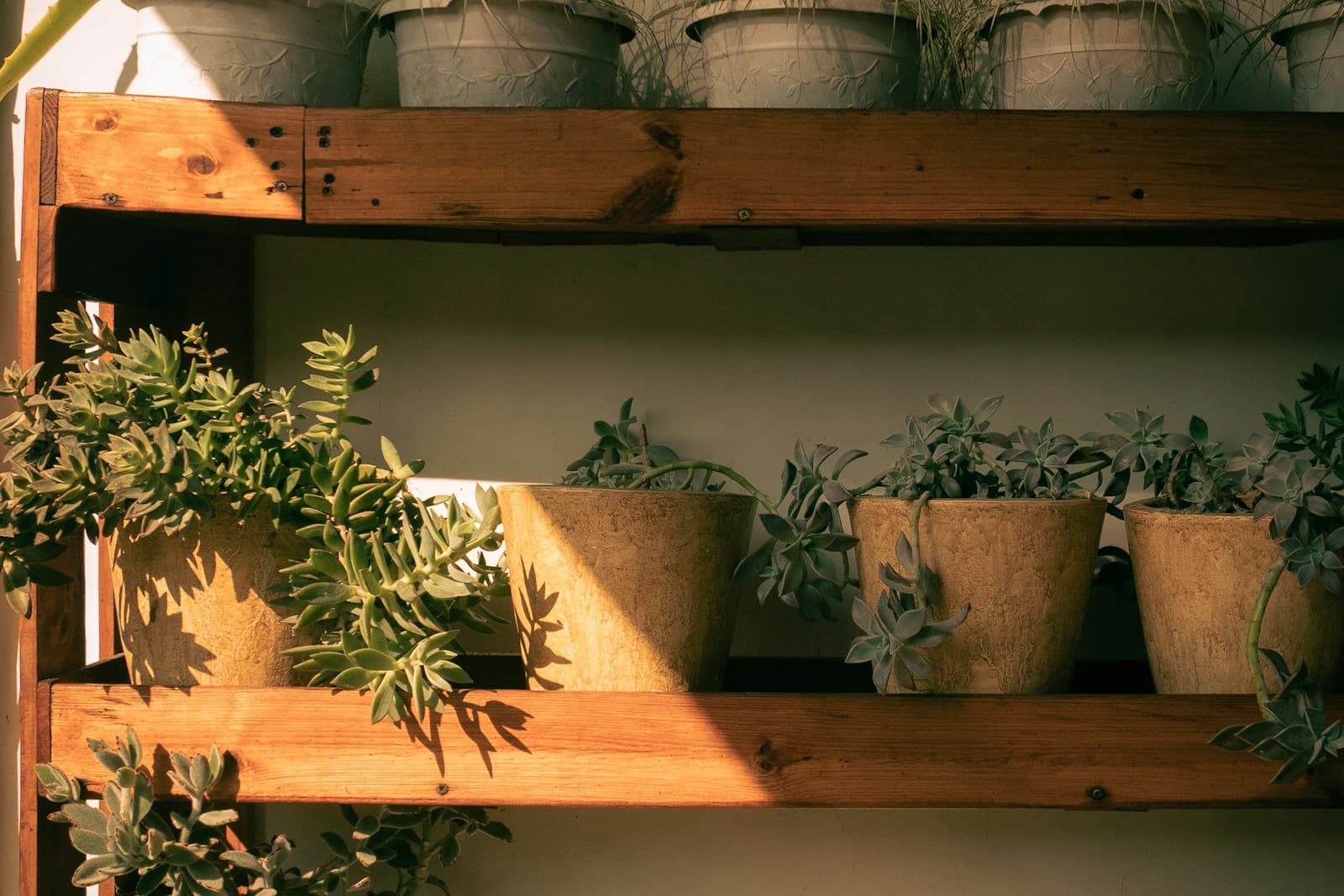
What the bagua map actually is
The feng shui bagua map is a simple grid, usually drawn as a 3x3 square, that divides a home or room into nine zones. Each zone is traditionally linked to a life theme like career, relationships, health, or wealth.
For a Western audience, it helps to think of the bagua map less as a mystical overlay and more as a space-planning tool. Environmental psychology already tells us that where we place furniture, light, and clutter affects mood, focus, and how "lived-in" a space feels. The bagua map simply gives each part of that space a name and an intention.
The overwhelm usually comes from trying to apply all nine zones perfectly at once. You do not need to. Start with one or two areas that matter most to you right now.
Why the map feels complicated (and how to simplify it)
Most bagua confusion comes from mixing two different versions: the classical compass-based bagua, which uses your home's actual direction, and the simplified "BTB" grid, which is based on the position of your front door.
For renters and modern homes, the door-based version is usually easier to work with because it does not require a compass or knowing your exact directional facing. You simply stand at your main entrance, look into the space, and divide the floor plan into a 3x3 grid from that viewpoint.
If you want the more traditional, direction-based approach, that ties closely into your personal Kua number, which maps your best-supporting directions based on birth year and gender. Both systems are valid; you can simply choose the one that feels more practical for your living situation.
Compass bagua vs. door-based (BTB) bagua
| Compass (classical) bagua | Door-based (BTB) bagua | |
|---|---|---|
| What it's based on | Your home's true compass orientation | The position of your main entrance |
| Tools needed | A compass or compass app | None — just the floor plan |
| Works well for | Standalone homes, known orientation | Apartments, rentals, shared buildings |
| Personalization | Can be cross-referenced with your Kua Number | Applied the same way regardless of who lives there |
| Best for | People who want the traditional, direction-accurate method | People who want a fast, practical starting point |
Neither version is "more correct" — they're two different lineages within Feng Shui that solve the same problem (how to divide a space into meaningful zones) with different reference points. Most modern practitioners recommend picking one and staying consistent, rather than mixing compass zones with door-based zones in the same room.
The nine zones, in plain language
Here is a simplified, modern translation of the nine bagua areas:
- Wealth (back-left corner): abundance, resources, generosity
- Fame (back-center): reputation, visibility, how you show up
- Relationships (back-right corner): partnerships, romance, close bonds
- Family (mid-left): heritage, community, support systems
- Center (middle of the home): overall balance and health
- Creativity (mid-right): self-expression, projects, children
- Knowledge (front-left corner): learning, reflection, personal growth
- Career (front-center, near the main door): purpose, direction, daily path
- Helpful People (front-right corner): mentors, travel, support from others
You do not need to treat these as guarantees of outcomes. Think of them as thematic prompts for how you might want a certain corner of your home to feel and function.
How to overlay the map on your home
1. Stand at your main entrance and look inward.
2. Imagine a 3x3 grid stretched across your floor plan, with the "Career" zone closest to your entry.
3. Note which zone lines up with a room, hallway, or awkward corner.
4. Pick one zone that matches something you are already focused on, like organizing finances or improving your workspace.
If your entry is a small apartment hallway rather than a grand foyer, this still works. The grid overlays your actual layout, whatever its shape.
A worked example: a studio apartment
Picture a rectangular studio with the front door on the short south wall. Standing in the doorway looking in, the grid stretches away from you: the front row (nearest the door) holds Knowledge on your left, Career straight ahead, and Helpful People on your right. The back row (the far wall) holds Wealth on the left, Fame at the center back, and Relationships on the right. If the kitchenette sits in the back-left corner, that's your Wealth zone — a cue to keep countertops clear rather than cluttered with mail and takeout containers. If the bed sits back-right, that's the Relationships zone, which is often naturally paired with a bedroom anyway. The middle row (Family, Center, Creativity) usually falls across whatever open living space sits between the entry and the far wall.
Common mistakes when applying the bagua map
- Overlaying the grid from outside the home instead of from the entry looking in. The orientation only works correctly when you're standing at the main door facing inward — flipping this reverses the left/right zones.
- Mixing compass-based and door-based zones in the same room. Pick one system per space and stay consistent, since overlapping the two methods will place the same corner in two different zones.
- Trying to "fix" every zone at once. As covered above, this is the single biggest source of bagua overwhelm — pick one zone tied to something you're already prioritizing.
- Ignoring irregular shapes entirely. An L-shaped room or a missing corner doesn't invalidate the map; it just means that zone is smaller or blended with its neighbor, which is normal and doesn't require a renovation to correct.
Simple, renter-friendly ways to work with each zone
Once you have identified a zone you want to focus on, keep the action light, reversible, and visually tidy:
- Wealth corner: Add a healthy plant, a small dish for coins, or simply declutter the area. For a deeper walkthrough, see how to find your wealth corner and what to place inside it.
- Relationships corner: Use paired objects, like two candles or two chairs, to visually reinforce partnership and balance.
- Career zone: Since this often overlaps with your entryway, keep it clear of shoes, mail piles, or bikes so the first visual impression feels organized rather than chaotic.
- Knowledge corner: A reading nook, bookshelf, or journal spot works well here, supporting focus through visual association.
- Center of the home: Keep this area, often a living room or hallway intersection, as open and clutter-light as possible, since it affects how the whole floor plan feels.
None of these actions require permanent changes. A plant can move, a rug can be swapped, a shelf can be rearranged. That reversibility is part of why the bagua map works well for renters and short-term living situations.
A modern rule of thumb
The bagua map is best used as a lens, not a rulebook. If a corner of your home already feels good and functional, you likely do not need to change anything there. Where a space feels stagnant, cluttered, or ignored, the corresponding bagua theme can offer a helpful starting point for a small refresh.
Pair this with your entry point, since your front door direction also plays a role in how energy, light, and daily movement enter your home. The bagua map and your entryway work together, not separately.
Start with one zone. Notice how it feels after a small change. Expand from there only if it feels useful, not because a checklist demands it.
FAQ
Do I need a compass to use the feng shui bagua map?
Not necessarily. The simplified door-based (BTB) version only requires you to stand at your main entrance and divide your floor plan into a 3x3 grid from that viewpoint, no compass needed.
What if my home doesn't have a perfect square or rectangular shape?
The grid still overlays your actual layout regardless of shape. Irregular floor plans just mean some bagua zones may be smaller, missing, or combined with an adjacent zone, which is normal and doesn't require structural changes.
Do I need to activate all nine bagua zones at once?
No. Most of the overwhelm around the bagua map comes from trying to address every zone simultaneously. Starting with one or two zones that matter most to you right now is a more sustainable approach.
This article is intended as cultural appreciation and modern interior design inspiration, not a guarantee of financial, health, relationship, or professional outcomes.
If you would like to personalize this further, the free Kua Number Calculator can help you understand which directions and zones tend to feel most supportive for you specifically, so you can apply the bagua map with a little more clarity and a lot less guesswork.
You might also like
What Is Feng Shui? A Modern Guide for Western Homes
What is Feng Shui and how does it actually work? A clear, jargon-light explainer for Western readers, translating chi, yin-yang, and the five elements into home design terms.
7 Modern Feng Shui Crystals to Activate Your Wealth Corner
A modern guide to Feng Shui crystals for the wealth corner, with simple styling ideas for Western homes.
Feng Shui for Love & Relationships: The Southwest Corner Guide
How to style the Feng Shui relationships corner (Southwest) for more warmth and connection, whether you're partnered, dating, or focused on self-worth.
What Is a Kua Number? A Modern Feng Shui Explainer
What is a Kua Number, how it's calculated from birth year and gender, and how to use it as modern Feng Shui guidance at home.
Next step
Curious how your personal directions fit into the bagua map? Try the free Kua Number Calculator to find your supportive zones before you rearrange anything.
Try the free calculator