Feng Shui Colors by Year
Feng Shui Colors 2026: Best Palette for Every Room
Explore feng shui colors 2026 for every room, explained through color psychology, light, and renter-friendly fixes for more balanced spaces.
The ModernQiHome Editorial Team researches and writes home wellness and modern Feng Shui guidance for Western homes, grounded in Eight Mansions (Ba Zhai) space theory and interior design fundamentals — every guide is written and fact-checked as a team process, not a single freelance byline.
Why color feels different from room to room
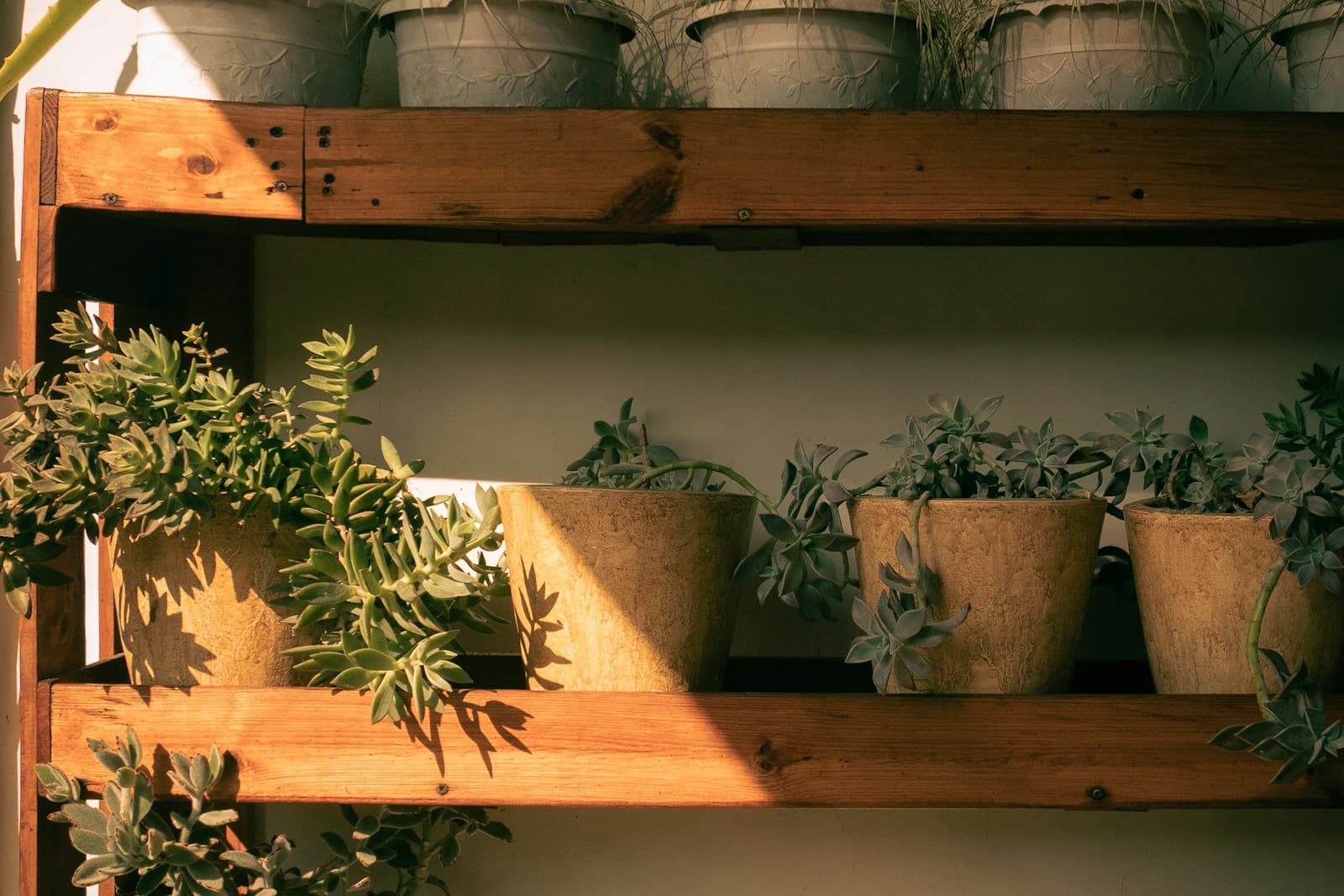
Color is one of the fastest ways your nervous system reads a space. Before you notice furniture or layout, your eyes register hue, warmth, and contrast, and that first impression shapes how alert, relaxed, or unsettled you feel in a room. Feng Shui has long paired color with the five elements, and 2026 (a Fire Horse year in the Chinese zodiac) leans toward warmer, more energizing tones like terracotta, amber, and soft red-orange. But the goal isn't to repaint every wall to match a trend. It's to match color intention to what each room is actually for.
Below is a room-by-room look at common color mistakes, why they affect the feel of a space, and simple, renter-friendly fixes you can test without a full renovation.
Quick-reference: room-by-room accent colors
| Room | Lean into | Avoid as a dominant tone |
|---|---|---|
| Living room | Terracotta, rust, warm wood | Uniform cool gray |
| Bedroom | Muted neutrals, dusty tones | Saturated red, hot pink, bright orange |
| Home office | Amber, mustard, terracotta accent | Heavy gray, low-saturation pastels |
| Kitchen | Warm ceramics, wood, citrus tones | All-white, all-stainless |
| Bathroom | Warm wood or clay textures | Cold tile and chrome with no counterbalance |
| Entryway | A colorful console, boot tray, or art | Plain white or beige with no accent |
This table pairs with the deeper five-element logic in What Is Feng Shui?, if you want to understand why these specific pairings are recommended rather than just what they are.
Feng Shui Color Mistakes and Fixes
Using the same cool tone in every room
A uniform palette of pale gray or cool white throughout an apartment can look clean in photos, but environmental psychology shows that flat, repeated color reduces sensory variation, which can make spaces feel less distinct and less energizing over time, even if they're technically "neutral." The fix: keep your base wall color if you're renting, but vary the room's accent temperature. Add a warm wood side table and a rust or ochre throw pillow in the living room, then shift to cooler sage or soft blue textiles in the bedroom, so each room reads with its own mood.
A bedroom painted in high-stimulation color
Bright red, hot pink, or saturated orange on a bedroom's main wall increases visual stimulation, which can work against the wind-down cues your body needs before sleep. Sleep science generally favors muted, lower-contrast environments in the hour before bed. The fix: save bold, fiery 2026 colors for a single accent, like a lampshade, a piece of art, or a throw blanket, and keep the wall and bedding in warm neutrals or dusty tones. For more on optimizing this room specifically, see this guide to feng shui bed placement.
A home office in low-energy, sleepy tones
Soft pastels and heavy gray can feel restful in a bedroom but may quietly undercut focus in a workspace, since low-contrast, low-saturation environments are linked to lower alertness in attention research. The fix: introduce a warm accent color near your desk, such as a terracotta desk mat, mustard bookend, or amber-toned lamp, to nudge visual energy upward without overwhelming the space. Pairing this with a supportive desk position matters too; this piece on desk placement covers the layout side.
A kitchen that feels sterile rather than nourishing
All-white or all-stainless kitchens can look sleek, but a total absence of warm color may make the space feel clinical rather than nourishing, which matters because kitchens are strongly tied to appetite and gathering. The fix: add warmth through open shelving with terracotta ceramics, a wood cutting board left out, or a small bowl of citrus fruit, small, removable touches that soften a rental-friendly kitchen without breaking a lease agreement.
A bathroom left in cold, clinical tones
Bathrooms are often the coolest, most reflective rooms in a home, all tile, glass, and chrome, and while that supports cleanliness, it can also feel emotionally flat. In Feng Shui, this room is linked to water energy, so cool blues and greens already suit it, but they need a counterbalance. The fix: add one warm texture, a wood bath mat, a woven basket, or a soft towel in ochre or clay, to keep the room from feeling sterile.
An entryway with no color at all
A plain white or beige entry can make a home feel unfinished right at the threshold, the first visual impression a guest, or you, receive each day. The fix: a small console table, a colorful boot tray, or a piece of framed art near the door introduces color without any structural changes. For more ideas suited to compact spaces, see these entryway ideas for small apartments.
A modern rule of thumb for 2026
Rather than chasing every trending shade, treat 2026's Fire Horse palette as an accent layer, not a full repaint. Warm, energizing tones like terracotta and amber work well in social and active spaces (living rooms, entryways, home offices), while muted tones still serve rest-focused rooms like bedrooms and bathrooms. If you want a more personalized approach, your Kua number can help point toward which color families tend to feel most supportive for you specifically, and you can check it with the free Kua Number Calculator in a couple of minutes.
FAQ
Do I have to repaint my walls to use 2026 Feng Shui colors?
No. Most of the effect can come from accents, textiles, art, and small decor pieces rather than a full repaint, which is especially useful if you're renting or can't make permanent changes to your walls.
What are the main Feng Shui colors associated with 2026?
2026 is considered a Fire Horse year in the Chinese zodiac, which is generally associated with warm, energizing tones like terracotta, amber, and soft red-orange, used here as design accents rather than guaranteed outcomes.
Should every room in my home use the same 2026 color trend?
Not necessarily. Matching color to a room's function, energizing tones for social or work spaces, softer tones for rest spaces, tends to feel more balanced than applying one trend uniformly throughout a home.
How does the bagua map relate to choosing room colors?
The bagua map divides a home into zones linked to different life areas and elements, which can offer a helpful starting point for color choices; you can read more in this bagua map explainer before deciding on a palette.
Why do some rooms get warm accents and others get cool ones?
It comes down to matching color temperature to function: warm, energizing tones support social and active spaces, while cooler or more muted tones support rest and focus. The quick-reference table above maps this out room by room.
Is this the same as the Year of the Fire Horse color guide on this site?
They're related but scoped differently. This guide covers general room-by-room color strategy for 2026; the Fire Horse colors guide goes deeper into the five-element reasoning behind why this specific year favors these tones.
This article is intended as cultural appreciation and interior design inspiration, not a guarantee of financial, health, relationship, or professional outcomes.
If you'd like a color approach tailored to you rather than a general trend, try the free Kua Number Calculator to find your personally supportive directions and tones for 2026.
You might also like
Year of the Fire Horse: The Best Feng Shui Colors for Your Home in 2026
Explore modern Feng Shui color ideas for the 2026 Fire Horse year, adapted for Western homes and warm interior design.
Feng Shui Bagua Map Explained (No Overwhelm)
Confused by the feng shui bagua map? Here's a simple, modern breakdown of the nine zones and how to apply them without redesigning your whole home.
What Is a Kua Number? A Modern Feng Shui Explainer
What is a Kua Number, how it's calculated from birth year and gender, and how to use it as modern Feng Shui guidance at home.
Next step
Curious which shades support you personally? Try the free Kua Number Calculator to find your most supportive colors for 2026.
Try the free calculator